Salamanca
The FIFA World Cup 2026 was an awesome year for Spain and international football. The Spanish team maintained a solid game from the quarter rounds until the finale. It was a well-deserved victory! Throughout this summer football fever, rooting so deeply for Spain comes from a nostalgic tie I have with the country because I’ve lived there during my studies.
Taking a chance on myself meant draining every last cent of my student savings, applying for a grant, and praying my mental math was sound enough to keep me afloat in Europe. I wasn’t going to Spain as a tourist; I was moving to Salamanca for an intensive summer program at the Universidad Pontificia de Salamanca (UPSA), stepping into an immersive world that would completely reshape how I view life, culture, and community. Looking back, it was a life-changing decision, one that taught me that the best investments aren't always financial, but experiential.
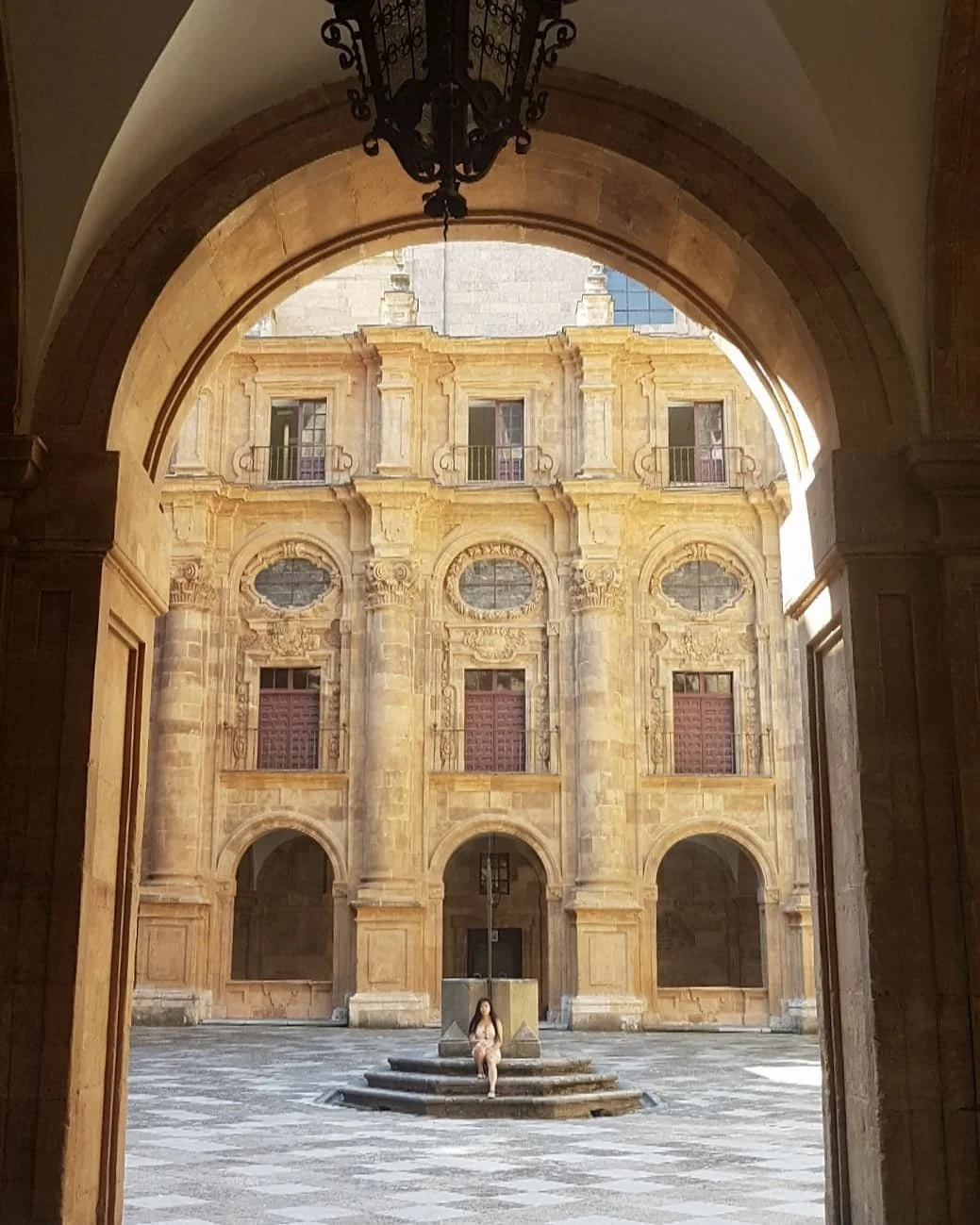
I came to Spain expecting a rich culture, but living there revealed layers I never could have fully grasped from afar. Spain isn't just one story; it’s a living, breathing mosaic. Between my daily routines in the hallways at UPSA and weekend trips beyond Salamanca, I began to see how fiercely distinct each region and province truly is. You notice it in the shifting architecture, feel it in the local customs, and hear it in the country's rich linguistic tapestry. I found myself falling in love with the melodic cadences of Andalusian Castellano, while admiring how deeply people held onto their roots, whether speaking Catalan, Galician, or Basque (Euskera).
My time in Salamanca also completely recalibrated my relationship with food. On a student budget, every meal had to count, and Spain taught me that luxury isn't about expensive dining, but about quality and patience. I became obsessed with the ritual behind jamón ibérico de bellota. I remember learning for the first time about the free-roaming, acorn-fed Iberian pigs, and how the meat is cured in mountain breezes and cellared for years until the healthy fats melt into pure perfection. Pairing a thin, delicate slice of jamón or fuet with a simple glass of Tempranillo wine became my absolute benchmark for happiness.
What I miss most about my days in Salamanca, though, is the sheer spontaneity of social life. In Spain, life doesn't happen behind closed doors; it belongs to the cobblestones. After hours of intensive language classes, my favourite part of the day was stepping out into the public squares as the scorching afternoon heat began to break.
My friends and I would head to the plaza to tardear, that unhurried, lingering ritual where an afternoon coffee or small caña effortlessly bleeds into a late-night conversation. When money was tight, we did what every young Spaniard did: we gathered for a botellón. Armed with cheap plastic cups, ice, and drinks bought from the local market, we’d sit directly on the warm stone floor of a quiet plaza alongside hundreds of other students. It was loud, chaotic, communal, and completely electric. A botellón was never just about having a drink before heading out at 2:00 AM; it was about sharing music, debating life under the open night sky, and letting the city itself be your living room.
Whenever I needed to clear my mind, I would take long night walks through Salamanca’s old town and along the Río Tormes. The city is built from local Villamayor sandstone, and at night, under the warm glow of the street lanterns, the historic buildings emit this incredible, ember-like golden light.
I’d slip away from the noisy tapas bars around midnight and wander the quiet alleys surrounding UPSA and the cathedrals. Eventually, my steps would always lead me back through the stone archways into Plaza Mayor. Standing under those illuminated arcades, watching students laugh on the plaza floor and couples linger over late-night drinks, I’d take a breath and realize: I made it here. And Spain had officially stolen my heart.
Looking back at that summer, taking a chance on a student budget and stepping into the unknown remains one of the best choices I have ever made. Salamanca taught me that travel isn't just about the places you visit, but the rhythm of life you absorb along the way—from slow evenings in Golden City plazas to the warm camaraderie of shared stories under the stars. Spain didn't just give me a summer abroad; it fundamentally reshaped how I view community, connection, and the value of living in the present.
If you have ever taken a leap of faith on a journey that changed your perspective, feel free to share this post with someone dreaming of their next big adventure!
